Remember When Games Were Just… Games?
Remember when Snake on that old Nokia phone felt like the greatest thing ever created? Or when Tetris blocks stacking too high made your palms sweaty for absolutely no reason? Back then, games were simple. You played, you lost, you tried again. That was it. No hidden systems trying to optimize your emotions. No data models adjusting your experience. Just you versus pixels.
We didn’t even call it micro gaming. It was just something to kill time. Five minutes in line. Ten minutes before bed. Done.
Now fast forward to 2026, and micro gaming still looks small on the surface. Short sessions. Fast loading. Minimal friction. But underneath? It’s operating on an entirely different level.
Micro Gaming in 2026 Is Built on Intelligence
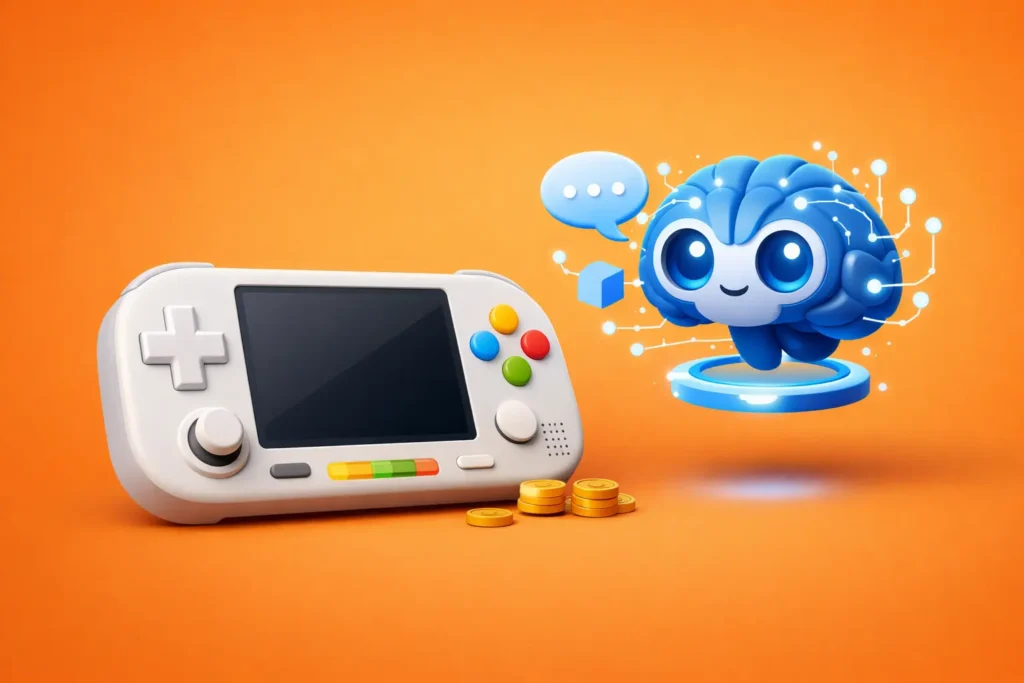
Today, micro gaming isn’t just about short play sessions. It’s about smart sessions. AI personalization has turned what used to be static loops into dynamic systems that respond in real time.
The game isn’t just running. It’s learning.
It tracks session length, reaction speed, betting patterns, win tolerance, loss tolerance, even the exact moment you hesitate before tapping. Sounds dramatic, but that’s how modern engagement systems work. Platforms like Mega888 by Jomdonate and others in the same ecosystem rely on behavioral modeling to refine player flow.
And the craziest part? It feels natural.
Ever notice how the game suddenly throws you something interesting right when you’re about to leave? A small win. A bonus trigger. A near miss that keeps you hooked. In 2026, that timing is rarely random.
From Static Difficulty to Adaptive Flow
Back in the days of Flappy Bird or Temple Run, difficulty didn’t care about your feelings. You failed, you restarted. Simple. Brutal. Clean.
Now micro gaming environments are more flexible. If the system detects repeated failure patterns, it may subtly adjust pacing. If you’re breezing through too comfortably, it might tighten things up. It’s not obvious. You won’t see a pop-up saying “difficulty adjusted.” But the experience shifts.
This is where AI personalization becomes powerful. It balances engagement. Not too easy. Not too punishing. Just enough friction to keep you engaged.
Mega888 and similar platforms benefit from this evolution because retention is everything in 2026. It’s not about getting players in once. It’s about keeping them returning consistently.
Why Short Attention Spans Forced This Evolution
Let’s be honest. Attention spans are cooked.
Nobody wants a 20-minute tutorial. Nobody wants to grind endlessly before seeing results. Micro gaming works because it delivers immediate interaction. Instant feedback. Quick dopamine.
But short attention spans also mean players quit fast.
AI solves this by predicting disengagement before it happens. It analyzes micro behaviors. Slower taps. Reduced interaction speed. Shorter session bursts. When patterns suggest a drop-off is near, the system responds.
Maybe it adjusts volatility pacing. Maybe it triggers a timed reward. Maybe it modifies progression tempo.
You don’t see the math. You just feel the shift.
Monetization in 2026 Is Subtle, Not Loud
Years ago monetization strategies were aggressive. Pop-ups everywhere. Random ads. Generic promotions blasted to everyone.
That doesn’t work anymore.
AI-driven micro gaming platforms now tailor monetization timing to behavior patterns. Instead of spamming offers, the system identifies optimal engagement windows. When are you most receptive? When does risk appetite increase? When are you likely to respond to incentives?
On Mega888, this results in reward pacing and bonus triggers that feel aligned with user behavior rather than intrusive interruptions. It’s calculated, but smooth.
Retention has become more valuable than acquisition. Five extra minutes per user across millions of sessions? That’s massive impact.
The Ethical Question Nobody Can Ignore
Of course, personalization comes with a shadow side.
When a system adapts to your habits in real time, where is the line between smart design and manipulation? Behavioral nudging can improve user experience, but it can also push engagement beyond healthy limits.
In 2026, the conversation around micro gaming isn’t just about growth metrics. It includes data transparency, responsible design, and user protection.
Technology itself isn’t the villain. Implementation matters. Oversight matters.
And as AI personalization grows stronger, accountability becomes just as important.
What Makes 2026 Different
he biggest difference between early 2020s gaming and 2026 micro gaming is structural optimization.
It’s no longer about flashy updates or new themes. It’s about backend intelligence. Real-time analytics. Behavioral calibration. Dynamic pacing systems operating invisibly beneath the surface. In many ways, the mechanics behind modern micro gaming now resemble the same data driven frameworks businesses use to scale digital growth, where performance metrics, behavioral insights, and optimization tools quietly shape outcomes behind the scenes.
Micro gaming has shifted from fixed design to responsive ecosystems.
We started with pixelated snakes on tiny screens. Now we have adaptive digital environments that adjust across millions of players simultaneously.
That’s not a small upgrade. That’s an architectural transformation.
Where Mega888 Fits in This Landscape
Mega888 represents the intersection of speed and personalization. Short session gameplay combined with data-driven adaptation. AI-enhanced reward logic layered beneath a familiar micro gaming interface.
It’s no longer just about offering a catalog of games. It’s about optimizing the experience around each player profile.
Whether users realize it or not, the system is constantly refining pacing and engagement balance behind the scenes.
Final Thoughts
Micro gaming didn’t just survive into 2026. It evolved.
From simple, repetitive loops to intelligent, adaptive ecosystems powered by AI personalization. What once relied purely on static mechanics now responds dynamically to individual behavior.
We used to learn the game.
Now the game learns us.
And the next time a session feels perfectly timed or strangely balanced, you might want to pause for a second and ask yourself something.
Did you choose to keep playing?
Or did the system know you would?
About the Author